Industrial Smokestack Drone Inspection Services

Industrial Smokestack Drone Inspection Services

Safer, Faster Industrial Smokestack Inspections Without Climbing


Traditional smokestack inspections require technicians to climb extreme heights, erect scaffolding, or rely on rope access systems. These methods increase risk, extend downtime, and drive up operational costs, especially for industrial facilities operating under strict safety and compliance requirements.

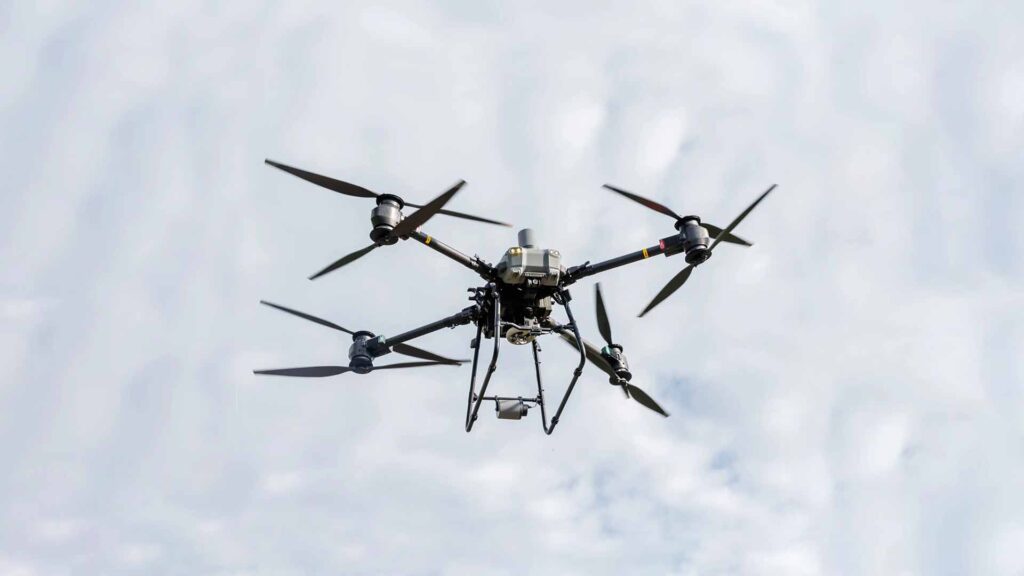
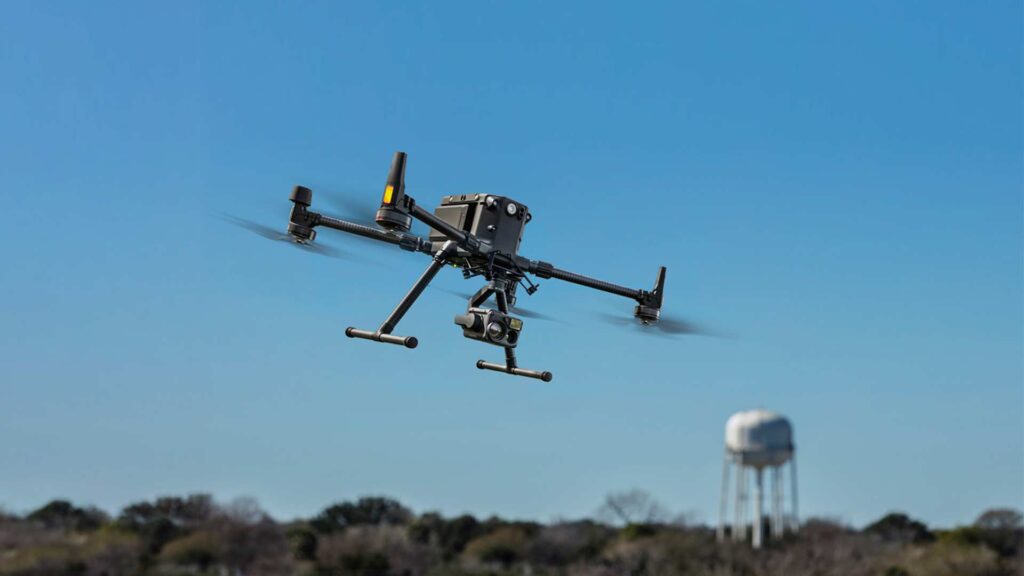
AeroSpect provides professional smokestack inspection drone services designed to eliminate fall hazards while offering high-resolution data. Our FAA-certified pilots use 4K imaging, thermal cameras, and advanced flight planning to inspect industrial smokestacks quickly and safely.

Contact us today and schedule your inspection with minimal disruption to operations.

What Is a Drone Smokestack Inspection?

A drone smokestack inspection uses unmanned aerial systems equipped with high-resolution optical and thermal sensors to evaluate the structural and thermal condition of industrial smokestacks. Instead of sending personnel to climb or install scaffolding, certified drone operators capture detailed imagery from multiple angles, both external and, when accessible, internal sections.

This service is essential for power plants, manufacturing facilities, refineries, waste-to-energy plants, and large commercial or municipal properties that rely on exhaust stacks or flue systems. Industrial smokestack inspection requirements often involve monitoring refractory linings, identifying cracks, checking corrosion, and verifying lightning protection systems.

Compared to traditional smokestack inspection methods, drone-based inspections reduce labor intensity, limit shutdown requirements, and provide comprehensive visual documentation that can be reviewed repeatedly by engineering teams. For facilities searching for “drone smokestack inspection near me,” AeroSpect delivers localized and fully insured services throughout the Northeast.

Benefits of Drone Smokestack Inspections

security

Safety Without Compromise

Industrial smokestacks can exceed several hundred feet in height. Climbing introduces fall risks, confined space exposure, and potential structural instability. Drone inspections eliminate the need for workers at height, significantly reducing OSHA exposure risks and insurance liabilities. Inspectors remain safely on the ground while drones capture critical data.

attach_money

Significant Cost Reduction

Scaffolding, rigging systems, cranes, and rope access teams dramatically increase inspection costs. Drone inspections often reduce total expenses by 60–80% by eliminating large equipment mobilization and minimizing crew requirements. Facilities maintain budget control while still meeting compliance standards.

broken_image

Minimal Operational Disruption

Many industrial smokestack drone inspection projects can be performed while systems remain operational, depending on site conditions and safety protocols. This reduces shutdown time and prevents lost production revenue.

cases

Superior Data and Documentation

Drone technology captures 4K video, high-resolution zoom imagery, and thermal scans that reveal cracks, spalling, corrosion, and heat inconsistencies. Unlike manual inspections that rely on handwritten notes, drone data creates a permanent digital record. Timestamped imagery supports year-over-year comparisons and long-term asset management.

bolt

Faster Turnaround

Traditional inspections may require days or weeks to coordinate. Drone smokestack inspection services can often be completed in a matter of hours, with detailed reports delivered within 24–48 hours.

support

Compliance Support

Industrial smokestack inspections frequently support OSHA compliance, insurance documentation, and internal maintenance programs. Drone reporting provides clear, defensible visual evidence for regulatory and risk management purposes.

Our Smokestack Inspection Process

Every project begins with pre-inspection planning and safety assessment. We review facility layout, airspace conditions, exhaust temperatures, and operational status. Our team operates under Part 107 regulations established by the Federal Aviation Administration and coordinates with facility managers to align flight operations with safety protocols.

During flight operations, drones capture detailed external imagery of the smokestack structure, focusing on concrete, steel, refractory surfaces, joints, and attachment points. Thermal imaging is used to detect refractory deterioration, insulation breakdown, and abnormal heat patterns that may indicate internal damage.

We document visible structural concerns such as cracking, erosion, corrosion, lightning protection integrity, and cap or liner conditions. High-resolution zoom allows close-up examination without physical contact.

Following data collection, AeroSpect compiles a comprehensive inspection report that includes annotated imagery, thermal findings, condition summaries, and maintenance recommendations. Clients receive organized digital documentation suitable for engineering review, insurance reporting, and maintenance planning.

A follow-up consultation is available to review findings and discuss next steps.

What We Inspect

Our industrial smokestack inspection services cover a wide range of structural and mechanical components, including:

  • Industrial smokestacks constructed from concrete, steel, or composite materials.
  • Refractory linings and insulation systems subject to thermal stress.
  • Structural integrity concerns such as cracks, spalling, joint separation, and corrosion.
  • Lightning protection systems and grounding components.
  • Exhaust stacks and flue gas systems connected to boilers or processing equipment.
  • Thermal anomalies indicating insulation breakdown or internal damage.

Each inspection is customized to the structure’s height, diameter, material type, and operational environment.

Industries We Serve

AeroSpect supports a broad range of industrial and commercial sectors requiring smokestack inspections, including:

  • Power generation facilities
  • Manufacturing and processing plants
  • Refineries and petrochemical facilities
  • Waste-to-energy operations
  • Commercial and industrial buildings
  • Municipal facilities and utility departments

Our experience operating in active industrial environments allows us to coordinate safely within regulated, high-security, and high-temperature conditions.

Why Choose AeroSpect NY?

Selecting the right industrial smokestack inspection partner requires technical capability and verified credentials.

AeroSpect provides:

  • FAA Part 107 certified commercial drone pilots
  • $10 million liability insurance coverage
  • Advanced thermal imaging
  • Experience conducting industrial inspections across complex facilities
  • Rapid reporting turnaround (24–48 hours in most cases)
  • Service coverage across New York, New Jersey, and Connecticut
  • Certified SDVOB (Service-Disabled Veteran-Owned Business) and MBE (Minority Business Enterprise) status

Our team understands industrial site protocols and works closely with facility managers, safety officers, and engineering departments.

To learn more about our qualifications, visit our ABOUT page or visit our Services page to see the full range of inspection solutions we provide.

Schedule Your Smokestack Inspection Today

Industrial smokestacks operate under constant thermal and environmental stress. Early detection of cracks, corrosion, or refractory damage prevents costly repairs and unexpected shutdowns.

AeroSpect delivers professional industrial smokestack drone inspection services with fast mobilization, detailed reporting, and full regulatory compliance.

Call 718-551-3363 today or get in touch with us for more information.

Other Drone Services

Drone Façade Inspections

learn more
Drone Delivery Services

Drone Delivery Services

learn more
Aerial Inspection Drone Rentals

Aerial Inspection Drone Rentals

learn more
LiDAR Scanning Services

LiDAR Scanning Services

learn more
Accident Forensics with Drone

Accident Forensics with a Drone

learn more
Aerial Inspection Services

General Aerial Inspection Services

learn more

Drone Bridge Inspection Services in New York

learn more

Professional Drone Crane Inspection Services

learn more

Professional Drone Oil Rig & Petroleum Facility Inspection Services

learn more

FAQs About Drone Smokestack Inspections

Commercial inspection drones can safely operate at elevations exceeding typical industrial smokestack heights, provided airspace conditions allow. Flight altitude is planned in advance to comply with regulations and site-specific safety requirements.

In certain cases, yes. If internal access points are available and environmental conditions are suitable, drones equipped with protective cages and stabilization systems can capture internal imagery without requiring confined space entry.

High winds, heavy precipitation, or extreme thermal updrafts may impact flight stability. Prior to mobilization, weather forecasts and stack heat output are evaluated to determine safe inspection windows.

Detailed visual documentation allows facility managers to prioritize repairs, estimate lifecycle costs, and plan phased maintenance instead of reacting to unexpected structural failures.

Yes. Inspection imagery and digital documentation can be shared with structural engineers, consultants, or insurance representatives for independent review and condition verification.

No. Flights are carefully planned to avoid contact with sensors, monitoring devices, and stack instrumentation. Drone inspections are observational and non-invasive.

For wider smokestacks, structured flight paths and overlapping imagery create complete visual coverage, allowing reviewers to examine the entire exterior surface without blind spots.

Yes. Even if earlier inspections relied on manual documentation, drone imagery can establish a new digital baseline for future comparison and trend analysis.

High-resolution timestamped imagery provides objective visual evidence that can support documentation for storm damage, structural incidents, or maintenance-related claims.

Inspection frequency depends on operational load, fuel type, environmental exposure, and facility risk management policies. Many facilities integrate annual visual reviews with broader maintenance schedules.

Locations

Trusted by: