Drone Bridge Inspection Services in New York

Drone Bridge Inspection Services in New York

Protecting New York Bridges with Advanced Drone Inspections


Bridges across New York carry thousands of vehicles every day. Aging materials, weather exposure, vibration stress, and deferred maintenance create serious safety and financial risks for municipalities and infrastructure owners. Traditional inspection methods are slow, expensive, and often disruptive to traffic.

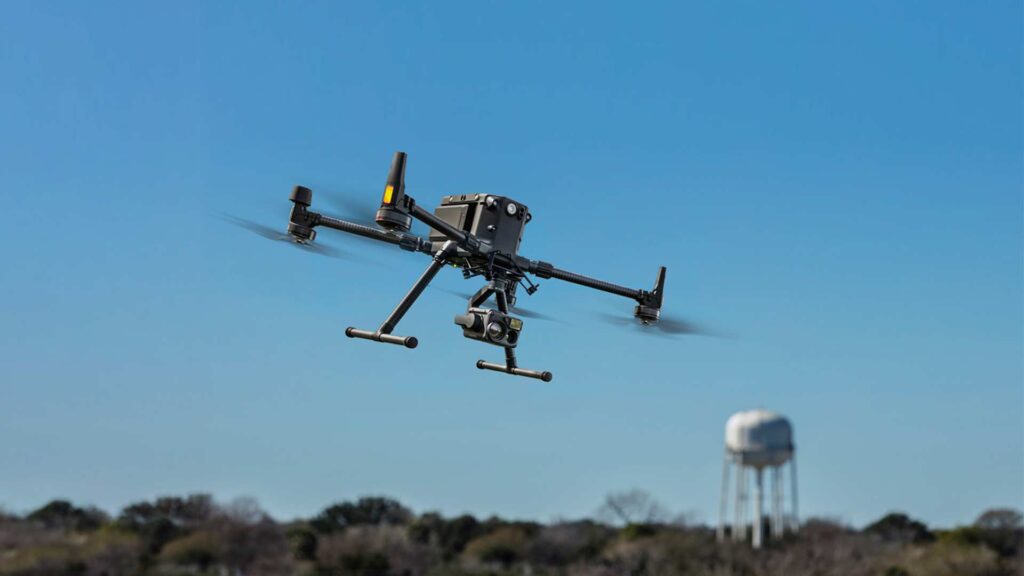
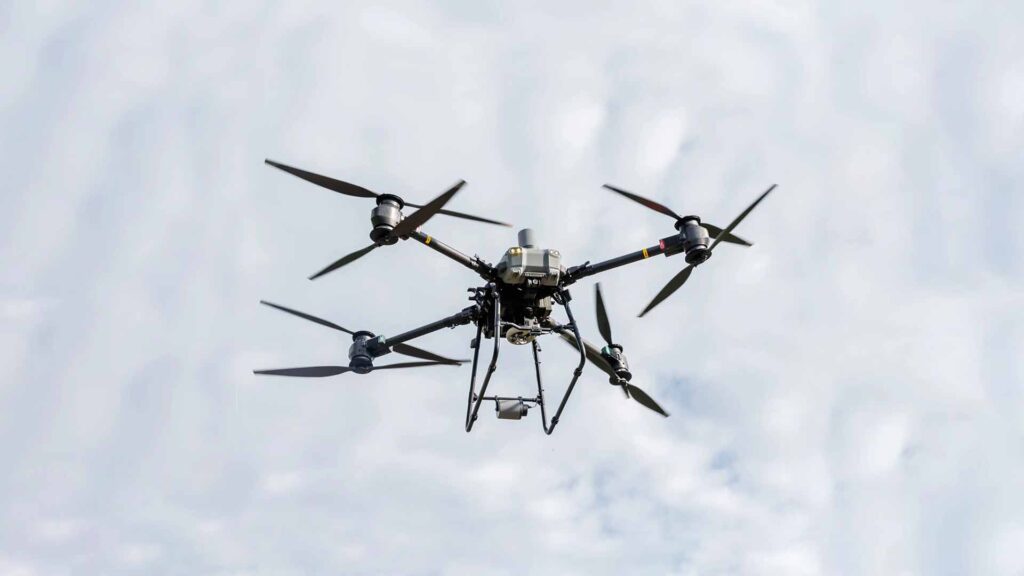
AeroSpect delivers professional drone bridge inspection services in New York that are faster, safer, and more cost-effective than conventional methods. Using high-resolution imaging, thermal analysis, and LiDAR scanning, our FAA-certified pilots capture detailed structural data without lane closures, scaffolding, or rope access crews.

Schedule your bridge inspection today before seasonal weather conditions increase structural stress.

The Challenge: Aging Bridge Infrastructure Needs Modern Solutions

New York’s bridge network faces mounting structural demands. According to the Federal Highway Administration, thousands of US bridges remain structurally deficient, while the American Society of Civil Engineers continues to highlight nationwide infrastructure funding and maintenance gaps.

Traditional bridge inspection services rely on snooper trucks, under-bridge access units, rope crews, and lane closures. These methods increase project timelines and equipment costs, and create traffic disruptions. Inspectors also face significant safety risks when working at height or over active roadways and waterways.

Regulatory standards require routine inspections, typically every 24 months or more frequently depending on bridge condition, placing ongoing compliance pressure on municipalities and infrastructure owners. Agencies must control costs, protect public safety, and maintain complete documentation for audits and funding, all while minimizing operational disruption.

Modern bridge networks require inspection solutions that reduce risk, shorten timelines, and provide defensible data.

How Drone Bridge Inspections Work

AeroSpect’s infrastructure inspection drones provide a structured, data-driven alternative to conventional bridge inspection services, combining careful planning and advanced imaging.

Every project begins with airspace review, risk assessment, and mission planning. Our team secures necessary authorizations in compliance with the Federal Aviation Administration and coordinates with local agencies when required. Bridge type, span length, traffic conditions, and structural complexity are evaluated to develop an optimized flight strategy.

During on-site operations, drones capture high-resolution 4K and zoom imagery, thermal data to identify moisture intrusion or subsurface defects, and LiDAR scans for accurate dimensional mapping. Critical components, including underside decks, piers, joints, bearings, cables, and substructures, are documented without scaffolding, rope access, or lane closures. Most inspections are completed within one to two days, depending on the structure size.

Following data capture, imagery and scan results are processed into detailed inspection reports with timestamped image libraries, annotated defect mapping, thermal anomaly documentation, and LiDAR-based measurements. When required, 3D models and digital twins are produced.

Key Benefits of Drone-Based Bridge Assessment

attach_money

Significant Cost Savings

Drone bridge inspections can reduce overall inspection costs by up to 40–60% compared to traditional access methods. Equipment rentals, traffic control, and large field crews are minimized.

security

Improved Safety

Inspectors remain on the ground while drones capture data from difficult-to-access structural components. No rope systems, climbing operations, or heavy lift equipment are required.

bolt

Faster Turnaround

Projects that traditionally require 1–2 weeks can often be completed in 1–2 days. Reduced mobilization time allows agencies to meet regulatory deadlines more efficiently.

fork_left

Minimal Traffic Disruption

Most drone operations are performed without full lane closures. This is particularly valuable in high-traffic New York corridors.

timer

Stronger Documentation and Historical Tracking

High-resolution visual records allow year-over-year condition comparisons. Thermal and LiDAR data create measurable benchmarks for monitoring crack progression, corrosion, or material fatigue.

Bridge Inspection Use Cases and Aging Infrastructure Applications

We conduct drone bridge inspections across New York for suspension, arch, beam, truss, cable-stayed, railroad, pedestrian bridges, overpasses, and elevated roadways. These structures often present access challenges, particularly as bridges age and regulatory demands increase.

Drones are ideal when access is limited or when bridges must remain open to traffic. Historic or specialized structures benefit from non-invasive aerial documentation, while post-storm assessments provide rapid evaluations when ground access is unsafe. Long-term monitoring with timestamped imagery tracks cracks, corrosion, joint movement, and material fatigue over time, supporting maintenance and compliance.

Inspections can meet routine biennial standards, emergency structural reviews, pre-rehabilitation assessments, load rating analysis, insurance documentation, and construction monitoring. Our team works with municipalities, state agencies, transportation authorities, engineering firms, and private infrastructure owners to deliver well-documented bridge inspections aligned with safety, regulatory, and operational requirements.

Advanced Inspection Technology: Thermal Imaging and LiDAR

Our drone bridge inspections use advanced imaging systems that go beyond traditional visual observation, providing a complete structural picture for engineers and asset managers. Infrared thermal cameras detect temperature variations that may indicate moisture intrusion, delamination, voids within concrete, insulation breakdown, or other subsurface irregularities. All thermal inspections are conducted by ITC Level II certified thermographers, adding technical credibility to the findings.

LiDAR scanning complements thermal data by producing highly accurate 3D point clouds, allowing engineers to measure deflection, analyze structural geometry, create digital twins, and monitor deformation over time. High-resolution optical imagery is integrated with LiDAR and thermal data to capture every detail of the bridge’s exterior and critical components. All deliverables are formatted for compatibility with CAD, BIM, and GIS software systems, allowing easy integration into engineering workflows, maintenance planning, and reporting.

Why Government Agencies Choose AeroSpect

When it comes to infrastructure inspection drones, trust and compliance matter.

AeroSpect provides:

  • FAA-certified commercial pilots
  • $10M liability insurance coverage
  • ITC Level II thermography certification
  • Experience operating throughout New York
  • Proven documentation workflows for municipal and engineering clients
  • Certified SDVOB (Service-Disabled Veteran-Owned Business) and MBE (Minority Business Enterprise) status

Our team understands the reporting requirements, documentation standards, and funding oversight processes that public agencies must meet.We have supported transportation departments, engineering consultants, and infrastructure managers throughout the state with professional drone bridge inspection services that prioritize safety and cost efficiency. To learn more about our credentials, visit our ABOUT page

Schedule Your Bridge Inspection in New York Today

Aging infrastructure cannot wait. Proper inspection reduces long-term repair costs and strengthens public safety. AeroSpect delivers professional drone bridge inspections in New York with rapid turnaround, advanced imaging technology, and full regulatory compliance.

Schedule an inspection before winter weather places additional strain on structural components.

Other Drone Services

Drone Façade Inspections

learn more
Drone Delivery Services

Drone Delivery Services

learn more
Aerial Inspection Drone Rentals

Aerial Inspection Drone Rentals

learn more
LiDAR Scanning Services

LiDAR Scanning Services

learn more
Accident Forensics with Drone

Accident Forensics with a Drone

learn more
Aerial Inspection Services

General Aerial Inspection Services

learn more

Industrial Smokestack Drone Inspection Services

learn more

Professional Drone Crane Inspection Services

learn more

Professional Drone Oil Rig & Petroleum Facility Inspection Services

learn more

FAQ About Drone Bridge Inspection Services in New York

Most bridges must be inspected at least every 24 months, though frequency may increase based on condition, load capacity, or regulatory requirements.

Yes. Drone inspections provide documented visual and thermal data that supports regulatory reporting and engineering review processes.

In many cases, drones significantly reduce the need for invasive access methods. For certain structural evaluations, they complement traditional engineering assessments.

Yes. Drone inspections can be conducted safely without closing lanes, allowing ongoing traffic while capturing detailed imagery of all bridge components.

Drones are well-suited for suspension, arch, truss, beam, cable-stayed, pedestrian, and railroad bridges, especially those that are tall, complex, or difficult to access.

Absolutely. Thermal imaging and LiDAR scanning allow detection of moisture intrusion, material voids, surface delamination, and subtle structural misalignments that may not be visible to the naked eye.

Depending on bridge size and complexity, inspections are often completed in 1–2 days, with detailed reports, 3D models, and thermal analysis delivered promptly for engineering review.

Yes. All data, including imagery, LiDAR point clouds, and thermal scans, can be exported in formats compatible with CAD, BIM, and GIS systems for straightforward integration into maintenance and planning workflows.

Locations

Trusted by: