
If you manage or maintain property in New York City, you're already familiar with the complexity of keeping building facades compliant and safe. Traditional inspection methods have been the standard for decades, but they come with serious drawbacks: high costs, extended timelines, safety risks to workers, and major disruptions to tenants and daily operations.
That's changing. Since 2018, AeroSpect NY has been pioneering drone-based facade inspections across New York City, working closely with some of the largest architecture and engineering firms to establish new standards for how buildings are assessed. The results speak for themselves: inspections that once took weeks can now be completed in hours, with better data, enhanced safety, and significantly lower costs.
The Traditional Inspection Problem
For decades, building facade inspections in New York have relied on scaffolding, swing stages, and rope access. While these methods get the job done, they're far from ideal.
Setting up scaffolding around a Manhattan high-rise can take days or even weeks. You're looking at street closures, permits, coordination with multiple contractors, and massive labor costs. During that time, building access is disrupted, businesses below face interruptions, and pedestrians navigate around construction zones.
Then there's the safety factor. Workers at height face real risks, even with proper training and equipment. Every year, fall incidents occur during manual inspection work. It's dangerous, it's expensive to insure, and it puts human lives at risk for tasks that modern technology can handle more safely.
And let's talk about what you actually get from traditional methods. Visual inspections from scaffolding or rope access provide valuable observations, but they're limited by what inspectors can physically reach and see in the moment. Documentation is often inconsistent, making it harder to compare conditions over time or share findings with engineering teams who weren't on-site.
How Drone Technology Changes Everything
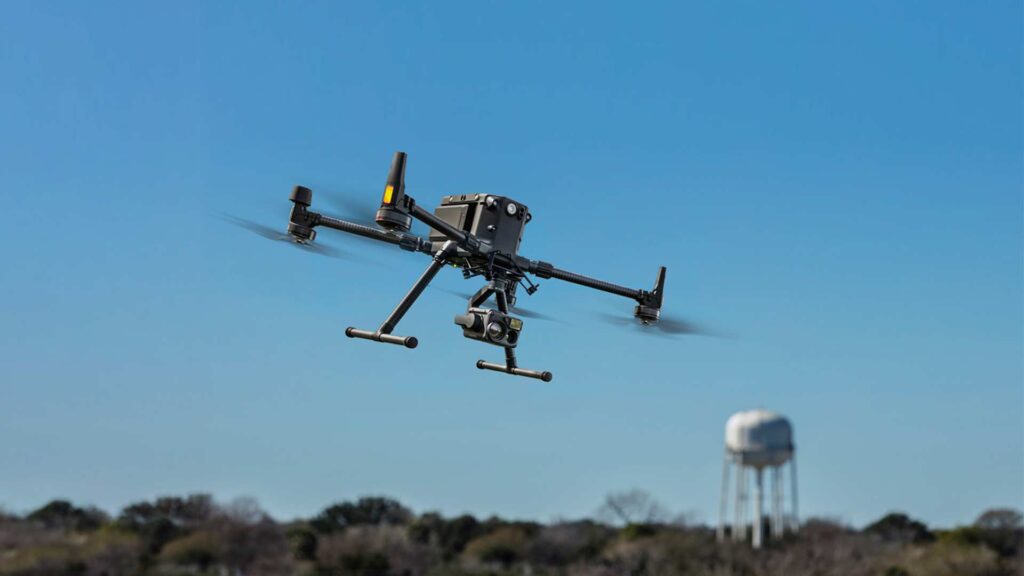
Drone inspections fundamentally reimagine how we assess building facades. Instead of weeks of setup and manual climbing, a certified pilot deploys a professional-grade drone system equipped with high-resolution cameras and advanced sensors.
The drone captures detailed imagery of every square foot of your building's exterior, from ground level up to the roofline. It can get closer to facade elements than traditional methods in many cases, documenting cracks, deterioration, sealant failures, and material defects with stunning clarity.
What used to take a month now happens in a day. There's no scaffolding to erect, no workers suspended by ropes, and no extended disruption to building operations. The entire process is safer, faster, and produces better documentation than manual inspections ever could.
Real-Time Visuals and Digital Documentation
One of the biggest advantages of drone facade inspections is the quality and accessibility of the data you receive. Instead of handwritten notes and a handful of photos, you get comprehensive visual documentation of your entire building exterior.
Every image is GPS-tagged and timestamped, creating a permanent, georeferenced record of your building's condition. This isn't just useful for compliance—it's invaluable for tracking deterioration over time, planning maintenance budgets, and making informed decisions about repairs.
Even better, many modern drone inspection workflows produce digital twins: interactive 3D models of your building that engineering teams can annotate directly. Need to mark a specific crack for repair? Just click on the model. Want to share findings with your insurance carrier or legal team? Export the annotated model and send it over. It's documentation that actually works the way professionals need it to.
Local Law 11 and Facade Compliance in NYC
New York City's Local Law 11 (now part of the Facade Inspection & Safety Program) requires periodic inspections of building facades to identify unsafe conditions and prevent falling debris. For decades, this meant scaffolding, rope access, and significant expense for building owners.
Drones are increasingly being recognized as a viable alternative for portions of these inspections. While certain hands-on assessments still require physical access, drones can efficiently document facade conditions, identify problem areas, and help inspectors prioritize where closer examination is needed.
The advantages for compliance work are clear. Drones reduce inspection time from months to days, lower costs dramatically, and provide better documentation than traditional methods. For buildings with hard-to-reach facades or complex architectural features, drones offer access that would be difficult or impossible to achieve safely with manual methods.
QEWI-certified inspectors across New York are incorporating drone technology into their workflow, recognizing that better data leads to better decision-making. When you can document every square inch of a facade with high-resolution imagery, you're not just checking a compliance box—you're gaining real insight into your building's condition.
The Safety Advantage You Can't Ignore
Let's be direct: keeping workers safe should be every property manager's top priority. Traditional facade inspection methods put people at significant height, exposed to weather, equipment failures, and human error.
Drone inspections eliminate most of that risk. The pilot operates from the ground in a controlled environment. There's no one suspended from ropes, no one climbing scaffolding in windy conditions, and no one navigating precarious positions dozens of stories up.
This isn't just about avoiding accidents—it's about creating a fundamentally safer inspection process. When you reduce human exposure to hazardous conditions, you're making a smart decision that protects your workers, limits your liability, and demonstrates responsible building management.
AeroSpect's approach to aerial inspections prioritizes safety at every step. Our FAA Part 107-certified pilots follow strict protocols, manage all required authorizations for NYC operations, and use professional-grade equipment designed for enterprise inspection work. You get thorough, accurate assessments without putting anyone at risk.
Reduced Disruption to Building Operations
Beyond safety, there's another often-overlooked benefit: minimizing disruption. Scaffolding installations block sidewalks, create noise, and interfere with building access for weeks or months. Retail tenants lose visibility, residents face construction noise, and everyone deals with the inconvenience.
Drone inspections happen quickly and quietly. A typical facade survey can be completed in a single day, often with minimal notice to building occupants. There are no street closures, no scaffolding obstructing storefronts, and no prolonged construction zones affecting daily life.
For property managers juggling tenant relationships and operational efficiency, this is a game-changer. You get better inspection data with a fraction of the disruption.
Cost Comparison: Drones vs. Traditional Methods
Let's talk about what this actually costs. Traditional facade inspections can easily run into six figures for large buildings, once you factor in scaffolding rental, installation, permits, insurance, labor, and the extended timeline.
Drone inspections typically cost a fraction of that—often 50-70% less than traditional methods. You're not paying for weeks of scaffolding rental, extensive labor, or prolonged project timelines. The inspection happens in a day or two, you get comprehensive documentation, and you move forward with actionable data.
The return on investment extends beyond the immediate cost savings. Better documentation means smarter maintenance planning. Early detection of facade issues prevents costly emergency repairs. And safer inspection methods reduce liability exposure and insurance costs over time.
For building owners managing multiple properties, the economics are even more compelling. Once you've experienced the speed, safety, and cost-effectiveness of drone inspections, it's hard to justify going back to traditional methods.
Beyond Facades: The Full Range of Drone Inspection Services
While facade inspections are a primary application, drone technology serves a much broader range of building assessment needs.
Roof Inspections Without Climbing
Roof inspections are another area where drones shine. Instead of sending inspectors onto roofs—where falls are a leading cause of construction injuries—drones capture detailed overhead and angled imagery of roof conditions, drainage systems, and potential problem areas.
This is especially valuable for large commercial buildings, where manual roof inspections are time-consuming and hazardous. Drones document the entire roof surface quickly, identifying issues like ponding water, damaged membranes, or deteriorating flashings without putting anyone at risk.
Thermal Imaging for Hidden Issues
Some building problems aren't visible to the naked eye. Water intrusion, insulation gaps, and energy inefficiency often hide behind exterior surfaces, causing damage before anyone notices.
Drones equipped with thermal cameras reveal these hidden issues. By capturing infrared imagery of building facades and roofs, thermal inspections identify temperature differentials that indicate moisture intrusion, missing insulation, or air leakage.
This technology is particularly valuable for energy audits, water damage investigations, and preventive maintenance planning. You're not just looking at what's visible—you're seeing what's happening beneath the surface.
Construction Progress Monitoring
For active construction projects, regular drone surveys provide invaluable documentation of progress, site conditions, and compliance with design specifications. Project managers use drone imagery to track milestones, identify potential issues early, and communicate progress to stakeholders.
This application extends to renovations, facade restoration projects, and large-scale building maintenance. When you can document conditions regularly with minimal disruption, you gain visibility that improves project management and decision-making.
Accident Forensics and Legal Documentation
When accidents occur—whether it's a construction incident, property damage, or a personal injury case—rapid, accurate documentation is critical. Drone technology provides objective, comprehensive visual evidence that supports investigations and legal processes.
Accident forensics documentation using drones captures scene conditions from multiple angles, preserving evidence before it's disturbed or degraded. Every image is GPS-stamped and timestamped, creating an indisputable record of conditions at a specific moment in time.
For insurance carriers, legal teams, and forensic investigators, this level of documentation is invaluable. It supports accurate assessments, reduces disputes, and provides clear evidence for claims processing and legal proceedings.
Working with AeroSpect NY: What to Expect
If you're considering drone inspections for your property, here's what the process typically looks like when working with AeroSpect.
First, we discuss your specific needs. What type of inspection are you conducting? What regulatory requirements apply? What are your timeline and budget considerations? This consultation ensures we design an inspection approach that meets your exact requirements.
Next, we handle all the logistics. NYC drone operations require FAA authorization and strict compliance with local regulations. Our team manages every aspect of the approval process, coordinates with building management, and ensures operations comply with all applicable rules.
On inspection day, our FAA Part 107-certified pilots deploy professional-grade drone systems to capture comprehensive visual documentation of your building. We work efficiently to minimize any disruption while ensuring thorough coverage.
After the flight, our team processes the data and delivers professional deliverables tailored to your needs. That might include high-resolution photo packages, annotated 3D models, thermal imagery analysis, or structured documentation for compliance reporting.
Throughout the process, you're working with a team that's been pioneering drone inspections in New York City since 2018. We understand the local regulatory environment, we've worked with the city's leading engineering and architecture firms, and we're committed to delivering results that meet the highest professional standards.
The Future of Building Inspections Is Already Here
Drone technology isn't the future of building inspections—it's the present. Forward-thinking property managers, engineers, and facility professionals across New York City are already using drones to conduct safer, faster, and more cost-effective assessments.
The question isn't whether drones will replace traditional inspection methods for many applications. That's already happening. The question is whether your organization is ready to take advantage of the benefits this technology offers.
If you're still relying on scaffolding and rope access for routine inspections, you're accepting higher costs, longer timelines, greater safety risks, and inferior documentation. There's a better way, and it's available right now.
Ready to Transform Your Inspection Process?
Whether you're planning a facade inspection for compliance, need roof documentation for maintenance planning, or require forensic documentation for an insurance claim, AeroSpect NY has the expertise and technology to deliver exceptional results.
We've conducted countless drone inspection services across New York City's most iconic buildings, working with leading firms to set new standards for safety, efficiency, and data quality.
Visit our contact page to request a consultation and discover how drone technology can improve your building assessment process. We're ready to show you what modern inspection technology can do for your properties.
Get Started with Professional Drone Inspections
Contact AeroSpect NY today to schedule a consultation and see how we can help you conduct safer, faster, and more cost-effective building inspections.
Request a Consultation