
AeroSpect provides St. Louis property owners and managers with safe, high-resolution drone façade inspections, delivering detailed imagery and thermal data for accurate building assessments.
Drone Façade Inspections in St. Louis
Drone Façade Inspections in St. Louis
Traditional vs Drone Inspection in St. Louis, MO
← Swipe to see more →
| Feature | Traditional Methods | Drone Inspection |
|---|---|---|
| Access | Requires scaffolding or lifts, often blocking sidewalks and streets. | Easily inspect rooftops, façades, and tight areas without scaffolding or street closures. |
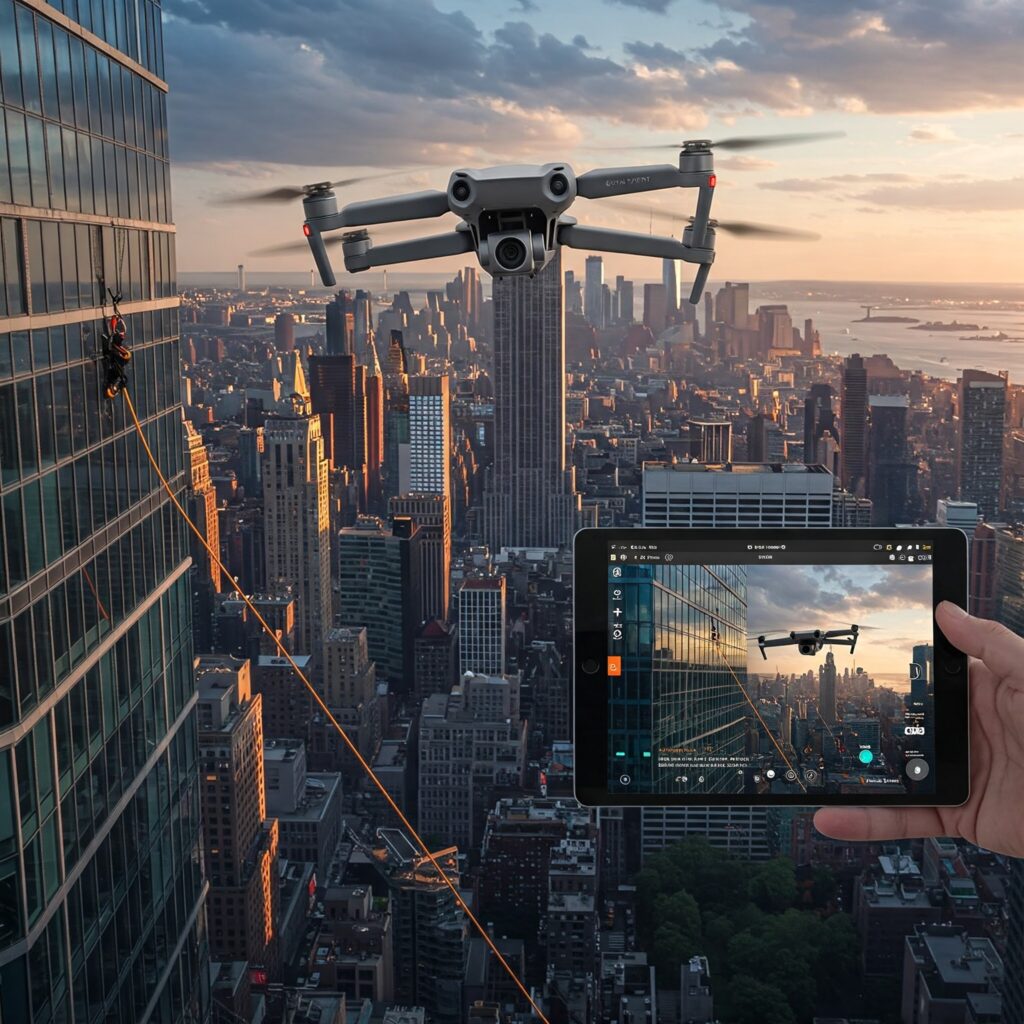
| Safety | Inspectors work at heights or on unstable surfaces, increasing risk. | Drones capture detailed imagery remotely, keeping personnel safely on the ground. |
| Inspection Speed | Setup, permits, and manual processes can take days or weeks. | Complete façade inspections in hours, with experienced operators handling permits. |
| Cost Efficiency | High costs from labor, scaffolding, and traffic management. | Lower costs due to minimal equipment, reduced labor, and less disruption. |
| Data Quality | Limited access reduces image resolution and coverage. | High-resolution imaging and thermal sensors capture complete building details. |
| Regulatory Compliance | Multiple permits required for equipment setup. | FAA and local permits managed by AeroSpect professionals for smooth approval. |
| Disruption | Street closures and scaffolding can inconvenience neighbors and businesses. | Minimal disruption to streets and sidewalks; inspections completed quietly. |
| Environmental Impact | Diesel-powered equipment produces noise and emissions. | Electric drones operate with low noise and zero emissions. |
| Scalability | Multi-building projects require repeated setup. | Quick deployment across multiple sites with consistent results.. |
Safe and Detailed Drone Façade Assessments in St. Louis, MO
St. Louis features a mix of historic landmarks, brick warehouses, mid-century commercial buildings, and modern high-rises, each requiring careful maintenance to protect safety and structural integrity. Traditional inspection methods can be time-consuming, costly, and disruptive, particularly in areas near busy streets, riverfronts, or older districts with limited access. Weather conditions such as heavy rain, humidity, and occasional snow can further speed up façade deterioration, creating hidden risks for property owners.
AeroSpect’s high-resolution drone façade inspections overcome these challenges by capturing detailed imagery and thermal data from every angle, including hard-to-reach rooflines, façades, and joints. FAA-certified operators conduct flights safely, minimizing disruption to tenants, pedestrians, and surrounding activities.
Riverfront and Industrial Facility Assessments
St. Louis’s riverfront properties and industrial zones are regularly exposed to high humidity, flooding, and general environmental wear, which can accelerate façade and structural deterioration. Drone inspections provide a safe, non-intrusive way to monitor these buildings, capturing high-resolution imagery and thermal data that reveal hidden issues before they become costly problems.
This approach allows facility managers and engineers to address vulnerabilities early, maintain operational continuity, and plan maintenance or repairs accordingly; all without disrupting daily operations.
Benefits of Drone Façade Inspections in St. Louis
Our Inspection Process in St. Louis




Other Drone Services Offered in St. Louis, MO

FAQs About St. Louis Drone Inspections
Yes. Drones perform contact-free inspections that protect delicate materials and intricate architectural details while providing detailed visual and thermal data.
Absolutely. Drone technology allows quick deployment across multiple sites, providing consistent and high-quality data for all buildings.
Yes. AeroSpect handles all FAA and local permits, making sure inspections meet legal, safety, and municipal requirements.
Yes. Drones can quickly assess buildings near rivers or flood zones, capturing detailed imagery of potential water damage, erosion, or compromised structural elements.
Absolutely. High-resolution aerial and thermal data provide a clear view of existing conditions, helping architects, engineers, and contractors plan renovations or additions safely and accurately.