
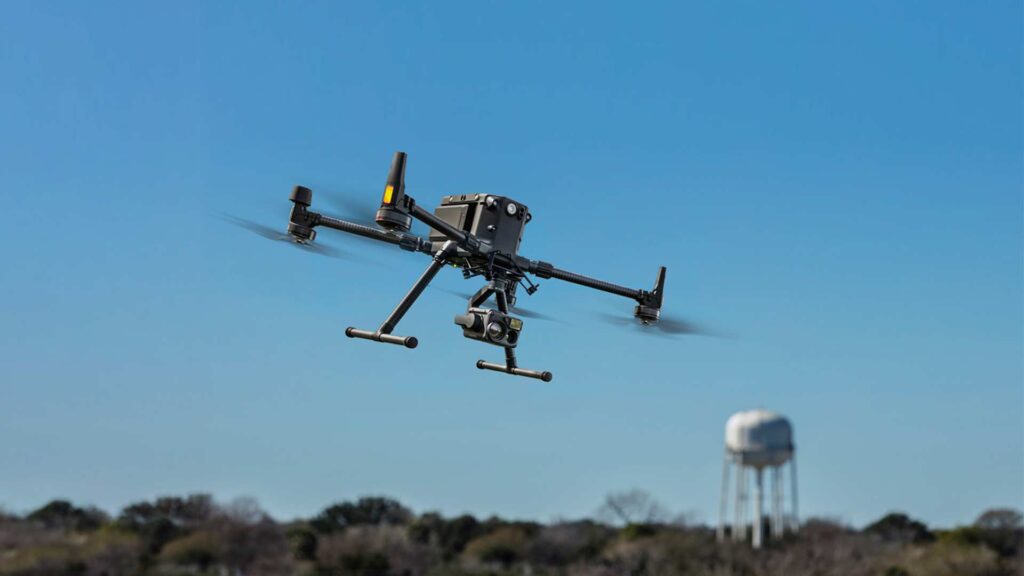
Building owners and property managers face a constant challenge: detecting roof and facade damage before it becomes a costly emergency. Traditional inspection methods often miss critical issues hiding in plain sight, but drone technology is changing the game entirely.
The Hidden Costs of Undetected Roof Damage
Most building owners don't realize they have a problem until water starts leaking through ceilings or chunks of facade material fall to the sidewalk below. By that point, what could have been a simple repair has escalated into a five or six-figure emergency.
Here's what's at stake: a small crack in your building's facade can allow moisture to seep behind the exterior walls. Over time, this leads to structural deterioration that's invisible from ground level. By the time you spot discoloration or bulging on the exterior surface, the damage has already spread significantly behind the scenes.
Traditional inspection methods require scaffolding, rope access teams, or boom lifts. These approaches are expensive, time-consuming, and still don't guarantee you'll catch every issue. A rope access technician can only inspect what's directly in front of them, often missing problems just around a corner or on another face of the building.
Why Drone Inspections Reveal What Others Miss
Drones equipped with high-resolution cameras can capture detailed imagery of every square inch of your building's exterior. What makes this technology so powerful isn't just the bird's-eye view, though that certainly helps. It's the ability to get within inches of any surface, at any angle, without putting a single person at risk.
Key Advantages of Drone Inspections:
- Complete coverage: Every surface gets examined, not just easily accessible areas
- Multiple perspectives: Oblique angles reveal issues that straight-on views miss
- Thermal imaging: Identifies moisture intrusion and insulation gaps
- Documented evidence: High-resolution photos and videos provide clear records
- Rapid deployment: Inspections completed in hours instead of weeks
The real breakthrough comes from combining visual inspection with thermal imaging technology. While your eyes might see a perfectly intact roof membrane, thermal cameras detect temperature variations that indicate trapped moisture. This is the difference between catching a problem early and facing extensive water damage down the line.
Common Types of Hidden Damage Drones Detect
Moisture Infiltration
Water is your building's worst enemy. Drones equipped with thermal cameras can spot moisture that's seeped into roof membranes, insulation, or behind facade panels. These issues are completely invisible during visual inspections but show up clearly as temperature anomalies in thermal imagery.
Membrane Deterioration
Roof membranes break down gradually from UV exposure, temperature cycling, and age. Small punctures, tears, or areas where the membrane has separated from the substrate often go unnoticed until they've grown significantly. Drone inspections capture these defects when they're still manageable repairs.
Facade Cracks and Spalling
Concrete and masonry facades develop hairline cracks that widen over time. What starts as a minor surface crack can allow water penetration, leading to freeze-thaw cycles that cause spalling. Drone facade inspections document these issues before they become safety hazards.
Structural Movement
Buildings settle and shift. Sometimes this movement creates separation between building components, expansion joint failures, or misaligned panels. These issues are difficult to spot from ground level but become obvious when viewing the building from multiple angles during a drone survey.
Drainage Problems
Clogged drains, ponding water, and inadequate slope can all lead to accelerated roof deterioration. Aerial inspections reveal drainage patterns and standing water that indicate where your building is vulnerable to long-term damage.
NYC Local Law 11: Compliance Made Simpler with Drones
If you own or manage a building in New York City taller than six stories, you're already familiar with Local Law 11 (now part of the Facade Inspection Safety Program, or FISP). This regulation requires comprehensive facade inspections every five years, conducted by a Qualified Exterior Wall Inspector (QEWI).
Here's where it gets interesting: while the regulation requires a hands-on examination of the facade, drones are increasingly being accepted as a valuable tool in the inspection process. They're not replacing the QEWI, but they're making their job significantly more effective.
How Drones Support Local Law 11 Compliance:
Pre-inspection surveying: Before deploying expensive scaffolding or rope access teams, drone surveys identify areas of concern. This allows inspectors to focus their hands-on examination where it's most needed, reducing overall inspection costs.
Documentation and reporting: High-resolution imagery provides detailed visual records that supplement the QEWI's report. This documentation proves invaluable if questions arise later about the building's condition at the time of inspection.
Inaccessible areas: Some building features are genuinely difficult or dangerous to access even with specialized equipment. Drones can safely examine these areas, providing the QEWI with visual evidence to inform their assessment.
Follow-up monitoring: After repairs are completed, drones can verify work quality without the expense of remobilizing full inspection equipment. This helps ensure repairs meet the standards required under Local Law 11.
The Department of Buildings has been increasingly receptive to drone-assisted inspections, recognizing that the technology improves safety while maintaining inspection thoroughness. For building owners, this means potential cost savings and more comprehensive documentation of their building's condition.
Since 2018, AeroSpect NY has been pioneering drone-based facade inspections throughout New York City, working with QEWIs and engineering firms to establish best practices that satisfy regulatory requirements while maximizing efficiency.
Real-World Example: Catching a $200,000 Problem Early
Last year, we conducted a routine drone inspection on a 15-story residential building in Manhattan. The property manager had no complaints from tenants and no visible signs of trouble from street level. The building wasn't due for its Local Law 11 inspection for another year.
Our thermal imaging revealed significant temperature variations along the roofline on the building's north face. Follow-up high-resolution photography showed what appeared to be minor discoloration in the facade. When the building's engineer investigated further, they discovered extensive water infiltration behind the facade panels. The waterproofing membrane had failed, and moisture had been collecting behind the exterior wall for months.
Because we caught it early, the repair involved replacing the affected membrane and a limited number of facade panels. Total cost: approximately $45,000. If this had gone undetected until the next scheduled inspection, the water damage would have spread to the structural framing and multiple floors of interior space. The engineer estimated repairs would have exceeded $200,000.
This isn't an isolated case. We regularly identify issues that building owners had no idea existed. The pattern is consistent: early detection through drone inspection leads to manageable repairs, while waiting for problems to become obvious leads to emergency scenarios.
The Technology Behind Modern Drone Inspections
Not all drone inspections are created equal. The equipment and expertise matter significantly when you're trying to identify subtle damage indicators.
High-Resolution Visual Cameras
Today's inspection drones carry cameras capable of capturing images with enough detail to spot cracks measured in millimeters. We're talking about 20+ megapixel sensors with professional-grade lenses. This level of detail allows engineers to analyze facade conditions without necessarily needing to physically access every area.
Thermal Imaging Sensors
Thermal cameras detect infrared radiation, which translates to temperature differences across surfaces. These differences reveal moisture intrusion, insulation gaps, and air leakage that's completely invisible to the naked eye. For roof inspections specifically, thermal imaging has become an indispensable tool.
LiDAR Technology
For buildings with complex geometry or when precise measurements are needed, LiDAR scanning creates detailed 3D models of building exteriors. This technology measures distances with millimeter accuracy, allowing engineers to detect structural movement, facade bulging, or other deformations that indicate underlying problems.
GPS-Enabled Photo Documentation
Every image captured during our inspections is GPS-tagged and georeferenced. This means you can pinpoint the exact location of any issue on the building. When planning repairs or discussing problems with contractors, you're working with precise locations rather than vague descriptions.
Cost Comparison: Drones vs. Traditional Methods
Let's talk numbers, because that's what matters when you're managing building budgets.
Traditional Inspection Methods:
- Scaffolding rental: $15,000 - $50,000+ depending on building height and duration
- Rope access teams: $200 - $400 per hour per technician
- Boom lift rental: $300 - $800 per day plus operator costs
- Timeline: 2-4 weeks for comprehensive inspection
- Safety risks: Working at height always involves inherent dangers
Drone Inspection Approach:
- Typical inspection cost: $2,500 - $8,000 depending on building size
- Timeline: 1-2 days for complete building survey
- Safety risks: Minimal - no personnel working at height
- Added value: Thermal imaging and 3D modeling capabilities
- Documentation: Comprehensive photo and video library
The cost savings become even more significant when you consider that drone inspections can be performed more frequently. Instead of waiting five years between comprehensive facade inspections (as required by Local Law 11), you could conduct annual drone surveys for a fraction of the cost. This approach catches problems at their earliest stage, when repairs are least expensive.
When to Schedule a Drone Inspection
You don't need to wait until you have visible problems to benefit from a drone inspection. In fact, the most valuable inspections are the ones that catch issues before they become apparent.
Recommended Timing:
- Annual preventive inspections: Catch small problems before they escalate
- Post-storm assessments: Document damage immediately for insurance claims
- Before major renovations: Understand existing conditions before planning work
- Pre-purchase due diligence: Know what you're buying before closing
- After earthquake or significant building movement: Verify structural integrity
- When preparing for Local Law 11 inspection: Identify areas requiring closer examination
For most commercial and residential buildings in New York City, we recommend annual drone surveys with thermal imaging. This frequency provides consistent documentation of your building's condition while catching deterioration in its early stages.
What Happens During a Drone Inspection
Understanding the process helps you prepare and know what to expect from your inspection.
Pre-Flight Planning
Before we launch a single drone, we review your building's characteristics, identify areas of concern based on your observations, and check weather conditions. In New York City, we also coordinate with the FAA to ensure we have proper authorizations for the flight area. This planning phase is crucial for efficient, safe operations.
The Inspection Flight
Our FAA Part 107-certified pilots conduct systematic surveys of your building's exterior. We typically capture imagery from multiple angles, ensuring we document every surface. For a typical mid-rise building, the actual flight time might be 2-3 hours, though we can complete smaller structures much faster.
Thermal Imaging (When Applicable)
Thermal inspections are most effective during specific conditions - typically early morning or late evening when temperature differentials are most pronounced. We schedule these flights strategically to maximize the thermal camera's effectiveness at detecting moisture and insulation issues.
Data Processing and Analysis
After the flight, our team processes the imagery and creates comprehensive reports. We identify areas of concern, categorize issues by severity, and provide recommendations for further investigation or repairs. This analysis phase typically takes 3-5 business days.
Deliverables
You receive high-resolution photographs, thermal imagery (if applicable), annotated reports highlighting areas of concern, and often a 3D model of your building. These deliverables provide both immediate insights and long-term reference documentation.
Choosing the Right Drone Inspection Provider
Not all drone operators have the expertise needed for thorough building inspections. Here's what to look for:
Essential Qualifications:
- ✓ FAA Part 107 certification for all pilots
- ✓ Comprehensive insurance coverage (general liability and drone-specific)
- ✓ Experience with commercial building inspections specifically
- ✓ Understanding of building systems and common failure modes
- ✓ High-resolution camera equipment (20+ megapixels)
- ✓ Thermal imaging capabilities
- ✓ Proven track record in your geographic area
- ✓ Clear, detailed reporting processes
Experience matters significantly in this field. A pilot who regularly conducts building inspections understands what to look for and how to position the drone for optimal documentation. They know the difference between cosmetic wear and signs of structural concern.
Since 2018, AeroSpect NY has been conducting building inspections throughout New York City. We've worked with some of the city's largest architecture and engineering firms to establish best practices for drone-assisted facade inspections. Our team understands both the technology and the buildings we're inspecting.
The Future of Building Inspections
Drone technology continues to advance rapidly. We're seeing emerging capabilities that will make inspections even more thorough and valuable:
- AI-powered defect detection: Software that automatically identifies cracks, spalling, and other defects in imagery
- Multispectral imaging: Cameras that see beyond visible and thermal wavelengths to detect specific material properties
- Automated flight planning: Systems that ensure complete coverage without manual piloting
- Real-time reporting: Instant analysis and flagging of critical issues during the flight
- Historical comparison: Automated change detection by comparing inspections over time
These advancements will make inspections more thorough while reducing costs further. The trajectory is clear: drone inspections will become the standard approach for building assessment, with traditional methods reserved for specific situations requiring hands-on investigation.
Taking Action: Protecting Your Building Investment
Hidden roof and facade damage represents one of the most significant risks to building owners. The good news? You don't have to wait for problems to become obvious before addressing them.
Drone inspections provide a cost-effective, comprehensive way to monitor your building's condition and catch issues at their earliest stage. Whether you're preparing for a Local Law 11 inspection, concerned about potential damage, or simply want to implement a proactive maintenance strategy, aerial inspections deliver actionable insights without the expense and disruption of traditional methods.
The technology has matured, the regulations have adapted, and the cost-benefit analysis clearly favors this approach. Buildings that undergo regular drone inspections consistently avoid the emergency repairs and crisis management that plague properties using reactive maintenance strategies.
Ready to See What You're Missing?
Contact AeroSpect NY to schedule a comprehensive drone inspection of your building. Our experienced team has conducted hundreds of inspections throughout New York City, and we'll provide detailed documentation of your building's current condition along with recommendations for any areas of concern.
Don't wait until hidden damage becomes an expensive emergency. Schedule your inspection today.