
Drone Delivery Services
Drone Delivery Services
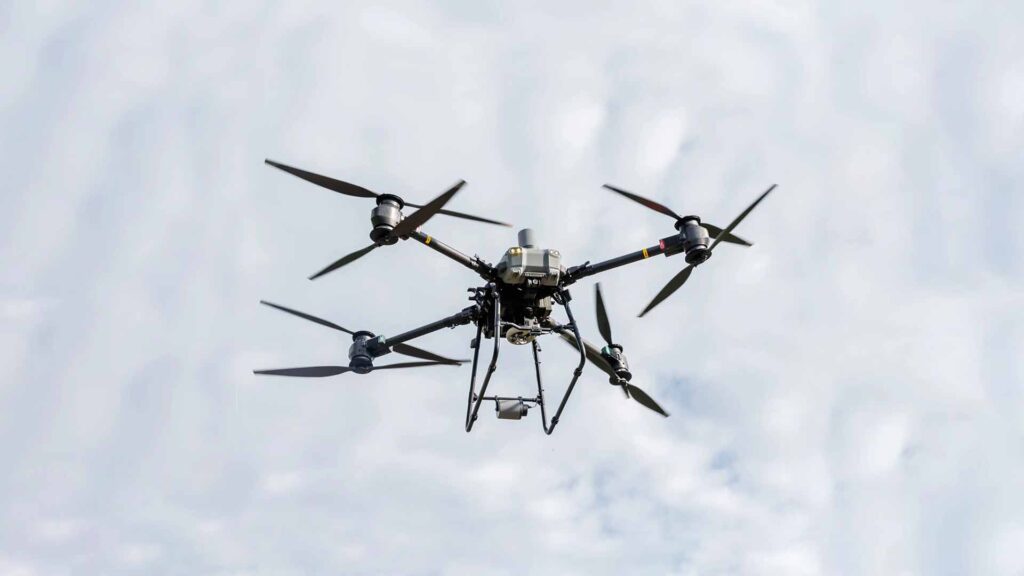
Our disaster relief services utilize the cutting-edge DJI FlyCart 30 for rapid and efficient cargo transportation in emergency situations. This powerful drone delivers essential supplies—such as food, medicine, and emergency equipment—to remote or inaccessible areas, ensuring aid reaches those in need quickly. With its heavy payload capacity, long-range capabilities, and all-weather performance, the FlyCart 30 enhances disaster response efforts, reducing delays and saving lives when every second counts.
For last-mile delivery in urban areas, the DJI FlyCart 30 offers a fast, efficient, and eco-friendly solution to modern logistics challenges.
Navigating congested streets and reducing delivery times, this advanced drone seamlessly transports packages, medical supplies, and essential goods directly to customers with precision and reliability. Its ability to bypass traffic and access hard-to-reach locations ensures timely deliveries while lowering carbon emissions, making it an ideal choice for businesses seeking innovative and sustainable delivery solutions.
Why Use Drones for Delivery





Frequently Asked Questions – Fast Drone Delivery
Our drones are optimized for lightweight payloads such as medical supplies, small equipment, documents, and specialized research materials. Payload weight and size limits vary by drone model and desired project requirements.
Drone delivery significantly reduces transit times by flying directly over obstacles and avoiding ground traffic, depending on conditions. However, the exact delivery times depend on distance and site conditions, but are often faster than traditional ground transport.
Yes. Our drones are equipped with advanced navigation, obstacle avoidance, and fail-safe systems to ensure secure and precise deliveries. Flights are conducted in accordance with applicable regulatory requirements.
Drone performance can be affected by severe weather such as heavy rain, strong winds, or snow. However, our flights are scheduled in accordance with the weather forecasts to ensure flight safety and operational reliability.
Drone delivery systems rely on GPS technology combined with advanced onboard sensors and navigation algorithms. This technology allows drones to deliver packages within a limited proximity of the intended delivery location. Accuracy may vary slightly due to environmental factors such as signal interference, weather conditions, and urban obstacles; however, continuous improvements are being made to enhance their operations.
The payload capacity of commercial drones generally ranges from a few hundred grams to approximately 5 to 10 kilograms, depending on the drone’s design, size, and battery power. Heavier payloads require more powerful drones with stronger motors and larger batteries, which can affect flight time and maneuverability.
While some drone models are capable of fully autonomous flight along pre-programmed routes, most commercial drone delivery operations still require a certified remote pilot to oversee the mission.