
AeroSpect uses drone technology to assess Detroit building façades safely, delivering clear exterior data for maintenance, planning, and redevelopment decisions.
Drone Façade Inspections in Detroit, MI
Drone Façade Inspections in Detroit, MI
Traditional vs Drone Inspection in Detroit, MI
← Swipe to see more →
| Feature | Traditional Methods | Drone Inspection |
|---|---|---|
| Access | Requires scaffolding or lifts, often blocking sidewalks and streets. | Easily inspect rooftops, façades, and tight areas without scaffolding or street closures. |
| Safety | Inspectors work at heights or on unstable surfaces, increasing risk. | Drones capture detailed imagery remotely, keeping personnel safely on the ground. |
| Inspection Speed | Setup, permits, and manual processes can take days or weeks. | Complete façade inspections in hours, with experienced operators handling permits. |
| Cost Efficiency | High costs from labor, scaffolding, and traffic management. | Lower costs due to minimal equipment, reduced labor, and less disruption. |
| Data Quality | Limited access reduces image resolution and coverage. | High-resolution imaging and thermal sensors capture complete building details. |
| Regulatory Compliance | Multiple permits required for equipment setup. | FAA and local permits managed by AeroSpect professionals for smooth approval. |
| Disruption | Street closures and scaffolding can inconvenience neighbors and businesses. | Minimal disruption to streets and sidewalks; inspections completed quietly. |
| Environmental Impact | Diesel-powered equipment produces noise and emissions. | Electric drones operate with low noise and zero emissions. |
| Scalability | Multi-building projects require repeated setup. | Quick deployment across multiple sites with consistent results.. |
Modern Inspection Solutions for Detroit’s Diverse Building Stock
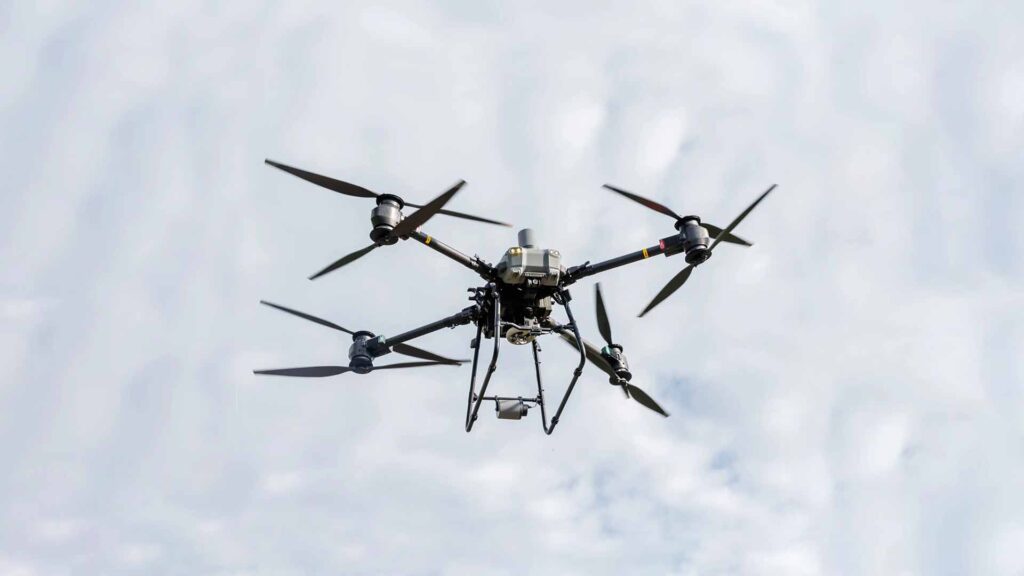
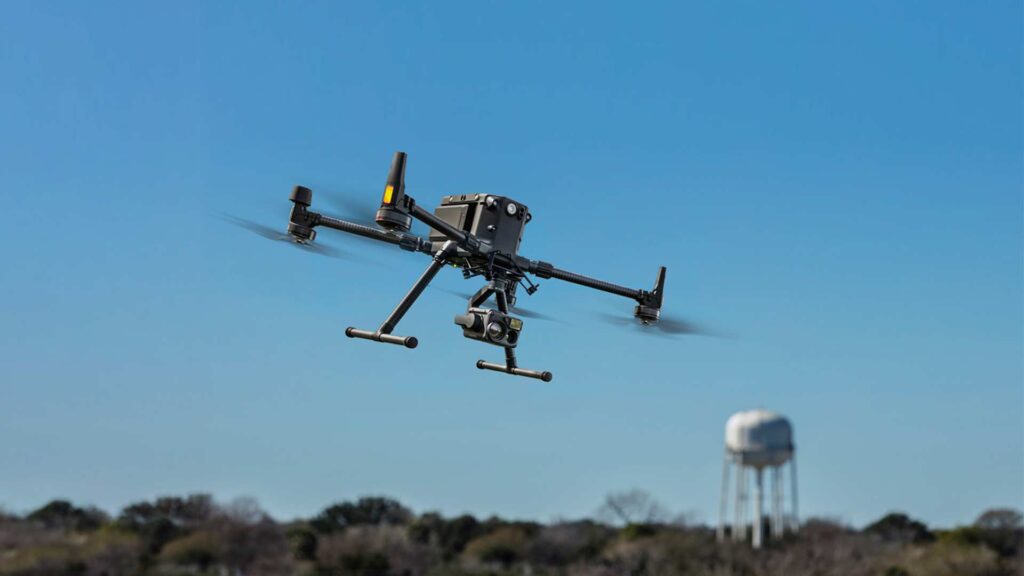
Detroit’s buildings tell a complex story; historic manufacturing facilities, adaptive reuse projects, and modern commercial developments all coexist across the city. Keeping these structures safe and functional requires exterior data that’s accurate, timely, and practical to act on. AeroSpect’s drone façade inspections in Detroit provide a clear view of building conditions without relying on scaffolding, lifts, or extended site setups.
By capturing detailed aerial imagery and thermal data, our inspections support smarter maintenance planning while reducing safety risks and operational interruptions.
Exterior Insight for Detroit’s Expanding Building Infrastructure
Detroit properties often present challenges that traditional inspection methods struggle to handle, including large footprints, aging façades, and limited access points. Drone inspections enable AeroSpect to document exterior conditions across expansive surfaces, vertical elevations, and concealed areas quickly.
This approach is especially valuable for redevelopment projects, legacy industrial buildings, and mixed-use properties where visibility is critical to decision-making.
Practical Advantages of Drone Façade Inspections in Detroit
How AeroSpect Conducts Drone Inspections in Detroit




Our Drone Services in Detroit, MI




FAQs About Detroit Drone Inspections
Yes. Drone data is especially useful for documenting existing conditions before renovation, rehabilitation, or adaptive reuse projects.
Absolutely. Drones are well-suited for wide façades, expansive roofs, and tall structures common throughout Detroit’s industrial zones.
They do. Clear visual documentation allows teams to prioritize repairs, forecast maintenance costs, and plan upgrades more accurately.
- Commercial property owners
- Industrial facility managers
- Developers and redevelopment teams
- Engineering and consulting firms
- Municipal and institutional property managers
Drone cameras capture high-resolution images that allow close review of materials, joints, and exterior features without physical access to the building.
Yes. Drone flights are brief and coordinated to minimize noise, access restrictions, and on-site activity during normal building use.
Yes. Stored inspection records make it easier to track changes in façade conditions over time and support long-term maintenance strategies.