
Collect sharp and high-quality data for façades and buildings in San Francisco. Efficient drone inspections that help in making informed decisions.
Drone Façade Inspections in Boston
Drone Façade Inspections in Boston
Traditional Vs Drone Inspection in Boston
← Swipe to see more →
| Feature | Traditional Methods | Drone Inspection |
|---|---|---|
| Access | Require scaffolding and lifts, often blocking sidewalks and streets. | Easily access rooftops and narrow areas without street closures or scaffolding. |
| Safety | Higher risk for inspectors working on damaged or unstable buildings. | Minimize inspector risk by avoiding unstable structures. |
| Inspection Speed | Setup and permits can cause delays of days or weeks. | Complete inspections in hours; permits managed by experienced operators. |
| Cost Efficiency | Higher costs from scaffolding, labor, and traffic management. | Lower costs due to less labor and equipment rental; minimal disruption. |
| Data Quality | Risk of damage and limited imaging in hard-to-reach areas. | Capture detailed images without risking damage to fragile facades. |
| Regulatory Compliance | Multiple permits needed for scaffolding and equipment use. | FAA and local permits handled by professionals for smooth approval. |
| Disruption in Busy Neighborhoods | Often require closures causing inconvenience to pedestrians and businesses. | No need for street or sidewalk closures, avoiding local disruption. |
| Environmental Impact | Diesel-powered machinery increases pollution and noise. | Electric, zero emissions, and low noise. |
| Scalability for Multi-Site Projects | Separate setups per site increase time and cost. | Quick deployment across multiple locations with consistent data. |
Preserving Boston’s Historic Buildings with Drone Inspections
Boston’s historic buildings feature unique architectural details and materials that require specialized inspection methods tailored to their delicate nature. Traditional inspection techniques often involve physical contact and other invasive methods that carry the risk of damaging fragile surfaces and intricate craftsmanship.
Our drone inspections provide a safe and contact-free way to capture high-resolution images, delivering accurate data to property owners. With this detailed insight, you can plan repairs that both protect the building’s historic character and ensure compliance with modern safety standards.
Why Choose Drone Inspections for Buildings in Boston?
How Does Façade Drone Inspection Work in Boston?




Industries We Serve in Boston
Historic Preservation
Architecture & Design
Construction
Healthcare Facilities
Waterfront Infrastructure
Other Services in Boston


Frequently Asked Questions – Drone Inspections in Boston
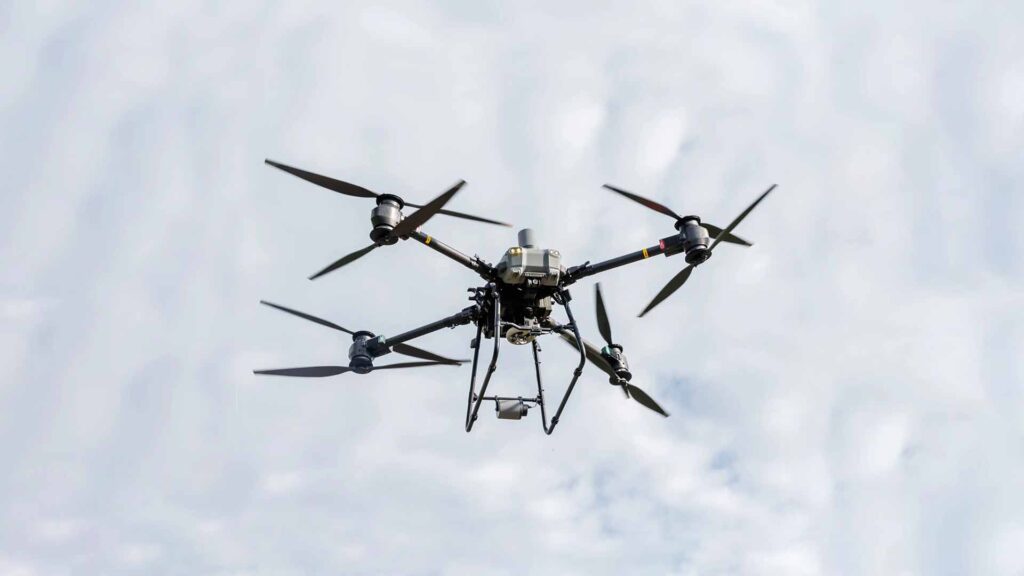
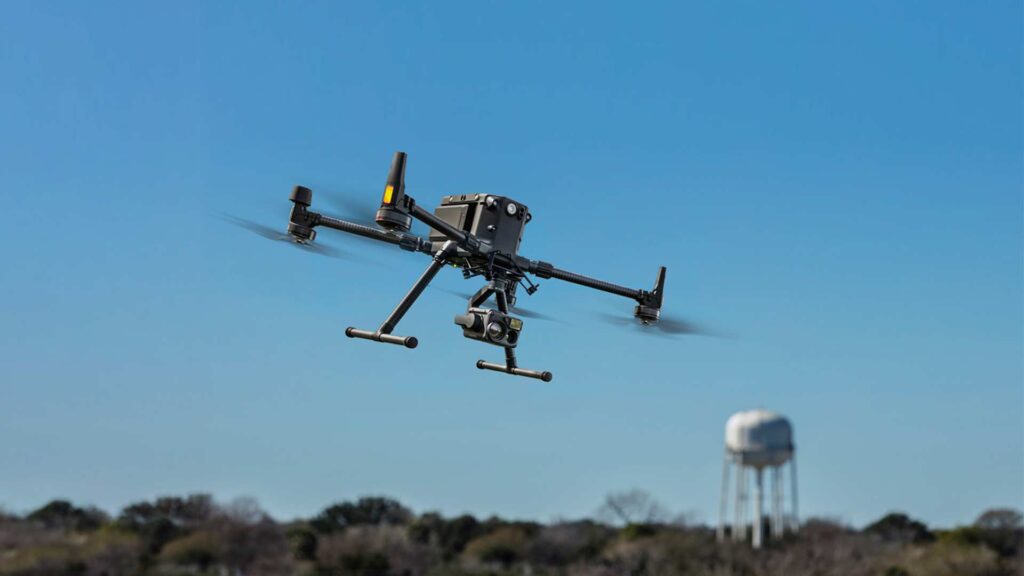
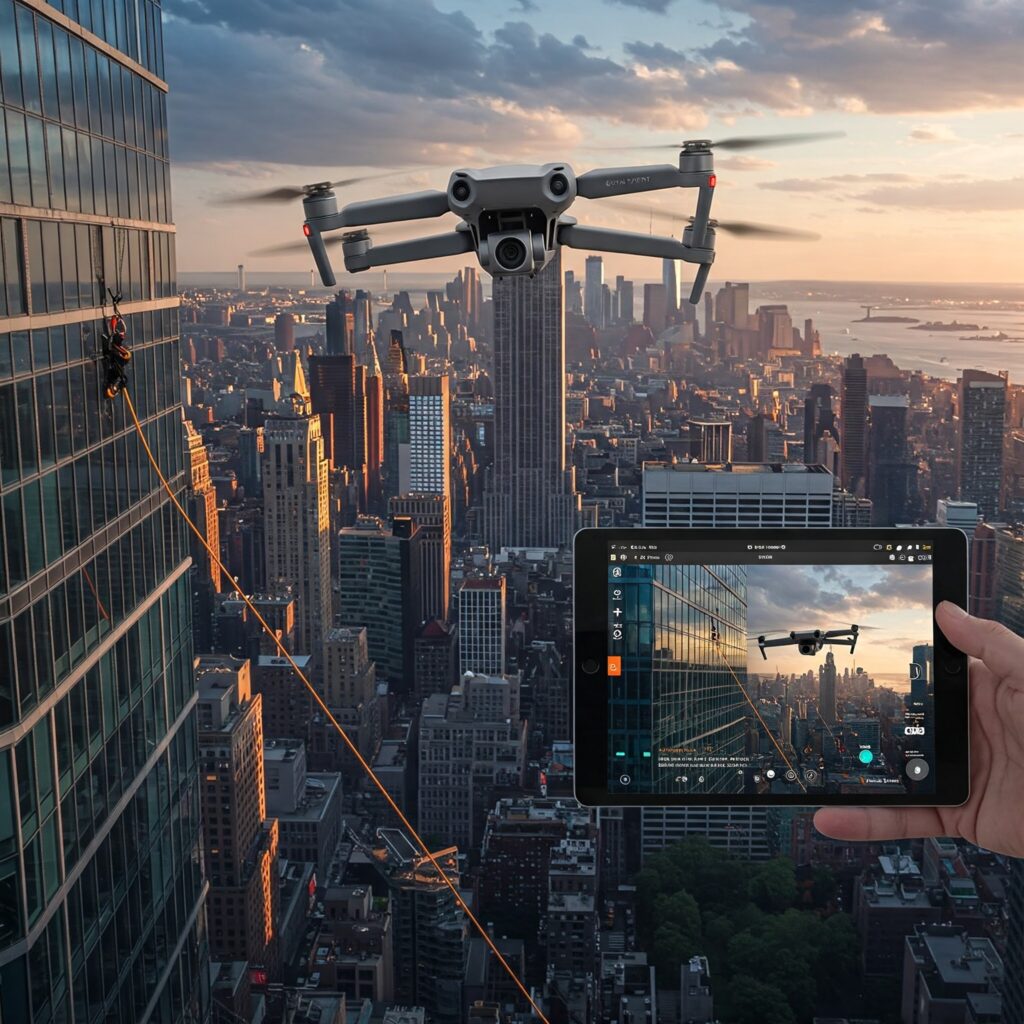
A drone façade inspection uses advanced unmanned aerial vehicles equipped with high‑resolution cameras and sensors to capture detailed imagery and data of a building’s exterior. This allows technicians to assess the condition of façades, including cracks, moisture intrusion, material degradation, and structural issues, without scaffolding or rope access.
Our FAA‑certified drone pilots fly state‑of‑the‑art UAVs around the building exterior, carefully maneuvering to capture comprehensive imagery and other sensor data. This non‑invasive approach respects historic building integrity while providing detailed visuals that identify even subtle defects.
Drone inspections are faster, safer, and more cost‑effective than traditional methods. They significantly reduce risk for personnel working at height, minimize disruption to site activity, and eliminate expensive equipment rentals.
The aerial data capture is often completed in a matter of hours, depending on the size and complexity of the structure. Detailed reporting and imagery processing are delivered promptly after the flight.